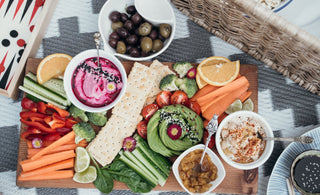
The idea that you must eat meat to be healthy has been debunked for years. Plant-based diets can absolutely be healthy and complete especially when they’re well planned.
That said, vegetarian and vegan diets do require a bit more attention in certain areas. Some nutrients are easier to get from animal sources, so you may need to be more intentional about including them in your meals.
In this blog, we’ll cover the nutrients that often need extra support on vegetarian and vegan diets, how to spot signs of deficiency, and how supplements can help fill the gaps without taking the place of a balanced plant-based diet.
Common Nutrient Gaps in Vegetarian & Vegan Diets
A plant-based diet can provide almost everything your body needs, but some nutrients are harder to get enough of from plants alone. These include:
-
Iron
-
Vitamin B12
-
Vitamin D
-
Zinc
-
Omega-3s
-
Protein (especially for active people)
These nutrients can absolutely be found in plant-based diets, they just require a bit more attention and careful planning to make sure you’re getting enough of them consistently.
Vitamin Deficiency Symptoms (What to Watch For)
If you’re wondering what vegetarian vitamin deficiency symptoms look like, here are the most common signs to watch for:
-
Fatigue or low energy
-
Brain fog or difficulty concentrating
-
Feeling cold more often
-
Frequent infections or slow recovery
-
Pale skin or shortness of breath (iron-related)
-
Muscle weakness or cramps (magnesium-related)
If you notice these symptoms consistently, it’s worth checking in with a GP or dietitian. Sometimes a simple blood test can confirm a deficiency and guide the best way to support it.
How to Fill Nutrient Gaps
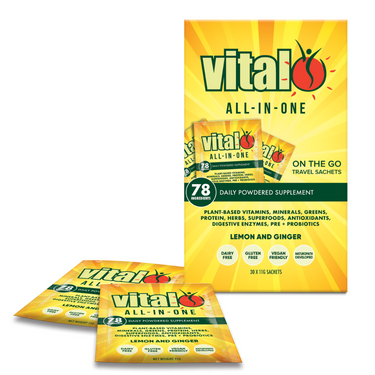
The good news is you can get a lot of nutrients from plant sources themselves, and when you can't, supplements, such as Vital All-In-One can fill the nutrition gaps. A few key nutrients can make a big difference when added thoughtfully, and they can easily fit into a plant-based lifestyle.
Here are some practical ways to fill common gaps:
Iron
Iron is one of the most common nutrient gaps in vegetarian diets because plant-based iron (non-heme iron) isn’t absorbed as easily as iron from meat. To support iron intake:
-
Include lentils, beans, tofu, spinach, and fortified cereals
-
Pair iron-rich foods with vitamin C (like citrus, berries, or capsicum) to improve absorption
-
Avoid drinking tea or coffee with iron-rich meals, as they can reduce absorption
If you’re still not meeting your needs through food, a vegetarian iron supplement can be helpful, especially for women or athletes.
Vitamin B12
Vitamin B12 is essential for energy, brain function, and red blood cell health. It’s one of the nutrients most likely to be low on plant-based diets, so it’s worth getting from a vegetarian supplement.
Vitamin D & Zinc
Vitamin D supports immune function, mood, and bone health, and many people don’t get enough, especially during the winter months. Zinc supports immunity and metabolism, and can be harder to get from plant foods. Nuts, seeds, and mushrooms can help.
Omega-3s
Omega-3 fatty acids are important for brain and heart health. Plant sources like chia seeds, flaxseeds, walnuts, and algae-based supplements can help, but many people still struggle to get enough DHA and EPA from food alone. If you’re not regularly eating omega-3 rich foods, an omega 3 vegetarian supplement can be a good option.
Calcium & Iodine
Calcium is found in leafy greens, fortified plant milks, tofu, and tahini, but it can be easy to fall short without planning. Iodine is often missed because it’s mostly found in seafood and iodised salt. Seaweed and iodised salt can help, but intake can vary.
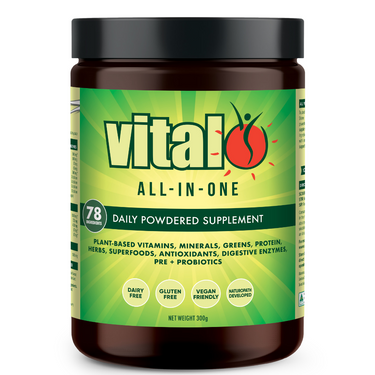
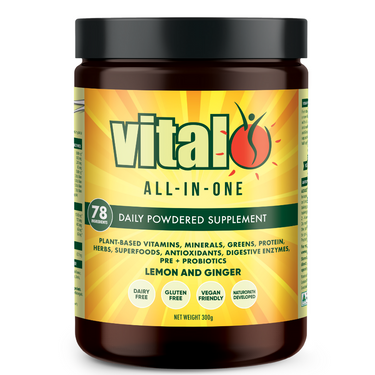
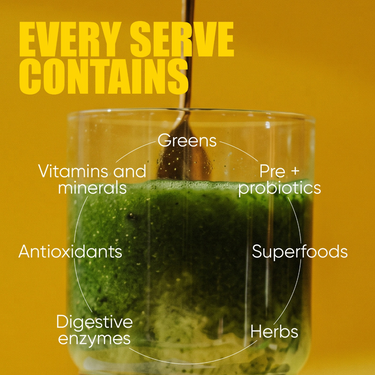
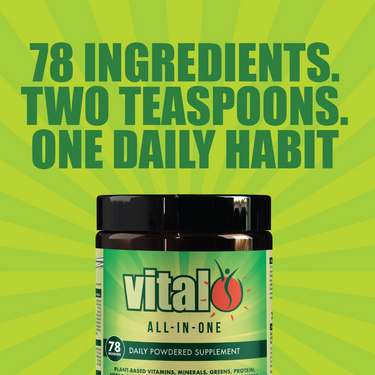
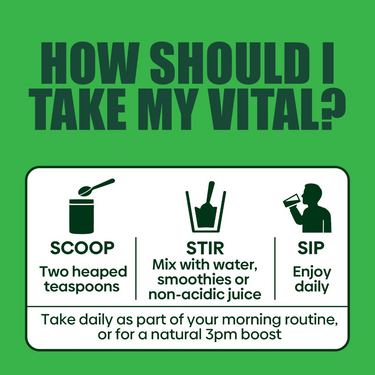
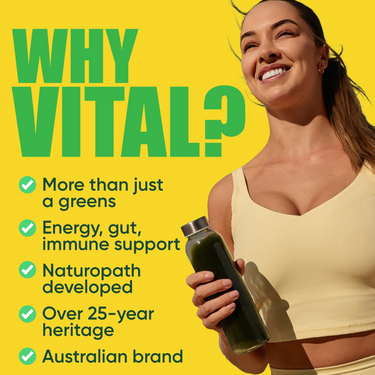
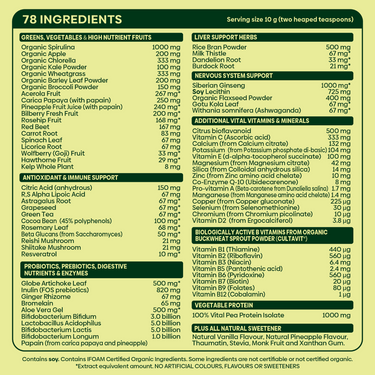
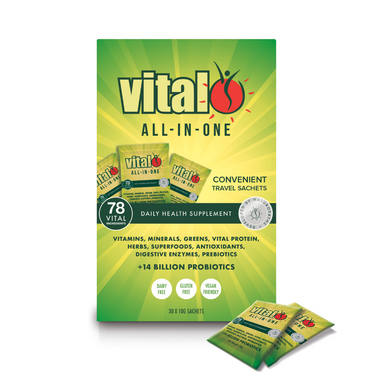
If you’re busy or find meal planning difficult, a simple vegetarian supplement can be a helpful way to fill nutrient gaps. Vital All-In-One is a plant-based, nutrient-dense daily foundation with 78 natural ingredients designed to support overall wellbeing, with vitamins, minerals, greens, superfoods, and probiotics. All you need is 2 teaspoons daily to support your daily nutrition and plug any nutrition gaps commonly found with plant-based diets.
Protein Supplements for Vegetarians (When Food Isn’t Enough)
Many vegetarians and vegans can meet their protein needs through food alone, especially if they eat a variety of legumes, tofu, tempeh, nuts, seeds, and grains.
But if you’re active, training regularly, or struggle to eat enough protein each day, a protein supplement can help bridge the gap.
That’s where Vital Plant Protein comes in. It’s a plant-based protein option with over 18 amino acids, designed to match the profile of whey protein. With 20g of protein per serve, it’s a convenient way to support muscle repair, recovery, and daily protein goals, without relying on animal sources.

A vegetarian or vegan diet can absolutely be complete and healthy, but it requires a little more intention in certain areas.
If you’re eating plant-based, focusing on iron, B12, vitamin D, zinc, and protein is a smart strategy. Supplements can support your diet, but they don’t replace the importance of whole foods.
For a nutrient-dense daily foundation, Vital All-In-One can help fill nutrient gaps. And if protein is your main focus, Vital Protein can support your daily goals without complicating your routine.